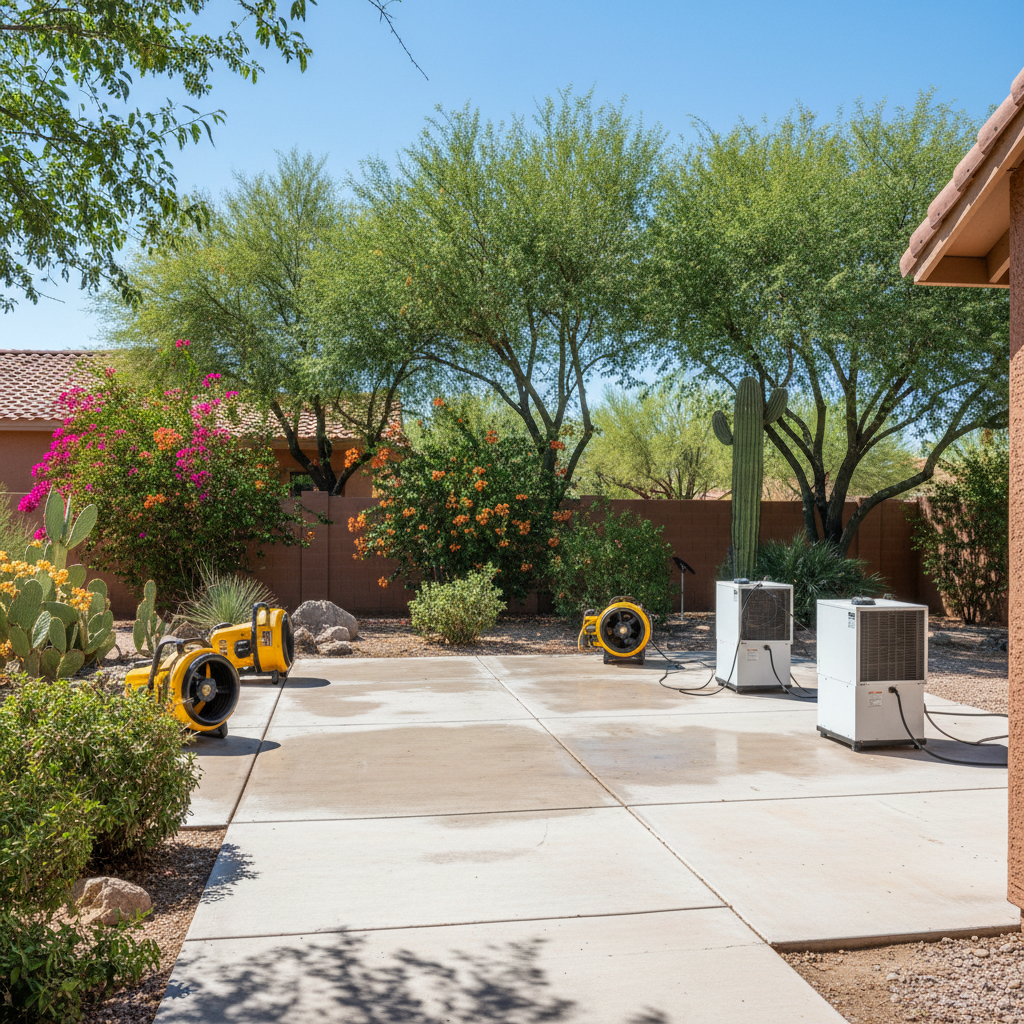
Ever walk into your living room after a monsoon storm and smell something damp that will not quit? Out here in Cave Creek, dealing with Water Damage Restoration is not just about sucking up the puddles on your tile floors. Between our bone-dry air, scorching summer heat, and those sudden, violent desert downpours, structural drying is a whole different process. When Aim High Restoration finishes a drying job on your property, that is only half the battle. Keeping your home safe from warping, mold, and crumbling drywall takes a bit of ongoing attention.
How to Make Structural Drying Work Last
Once the industrial air movers and dehumidifiers are packed up, your job begins. The biggest mistake homeowners make around here is turning off their air conditioning or sealing up the house tight because they think it saves energy. Do not do that. Our desert climate relies heavily on stable indoor humidity. Keep your HVAC system running normally to help maintain that balance. If you have wood framing or baseboards that took on water, give them time to fully stabilize before slapping a new coat of paint on them. Paint traps residual moisture faster than you would think.
Another major factor in our area is the caliche soil and shifting foundations. When we get torrential rain, water pools against foundation walls differently than it does in other states. Make sure your yard grading slopes away from the house so you do not invite another flood right back into the same spot we just dried out for your Water Damage Restoration needs.
What Regular Maintenance Looks Like
You do not need fancy tools to keep an eye on things, just a little common sense. Walk your hallways every month and check the corners where the walls meet the ceilings. Look for subtle discoloration or peeling paint. If you have smart thermostats, keep an eye on your indoor humidity levels. You want to keep things comfortably below sixty percent, even when it is monsoon season and outside feels like a steam room.
- Check under sinks and around water heaters every few weeks.
- Clear out your roof scuppers and gutters before the summer storms roll in off the Desert Foothills.
- Inspect window seals after heavy wind storms drive dust and moisture sideways against your stucco.
Aim High Restoration always tells homeowners that prevention is much cheaper than mitigation. Taking ten minutes to check your plumbing lines or crawl spaces saves you from a massive problem down the road during Water Damage Restoration.
Warning Signs That Trouble is Brewing
Water damage has a way of hiding in plain sight out here because things dry out on the surface very fast. You might think everything is fine because the top layer of drywall feels warm and dry to the touch, but the studs inside are still holding water. Keep your nose sharp. A musty smell that lingers near an exterior wall or baseboard is usually the first red flag that moisture is trapped behind the drywall. If your doors suddenly start sticking in their frames or your tile floors sound hollow when you walk on them, you have got movement or moisture trapped underneath. Warped baseboards and bubbling stucco are other telltale signs that the structure is still fighting off trapped water.
When to Call a Professional
Some weekend projects are great, but structural drying and Water Damage Restoration are not among them. If you spot mold growth covering an area larger than a couple of square feet, stop what you are doing and pick up the phone. Same goes for any water intrusion that soaked into your insulation or subflooring after a pipe burst behind a kitchen wall. Trying to slap a fan in front of a soaked wall cavity in a Desert Hills or Rancho Scenic home just will not work. Aim High Restoration uses thermal imaging and moisture meters to look behind the walls without tearing your house apart. If you suspect moisture is lingering where it should not be, give us a call and we will come take a look before minor dampness turns into a major structural issue.